Your Cart is Empty

The good news is that back pain while camping is not inevitable. In most cases, it comes down to using a pad that was designed for portability instead of proper support. This guide breaks down the best camping sleeping pads for back pain, how they compare to air mattresses, and how to choose the right option for your body and camping style.
The best camping sleeping pads for side sleepers with back pain provide enough cushioning at the shoulders and hips while still supporting spinal alignment. Side sleepers put more pressure on fewer contact points, so pads that are thicker and use high-quality foam or hybrid construction tend to work best. Look for pads that resist bottoming out and maintain consistent support through the night, rather than soft air pads that collapse under pressure.
The R-value measures how well a sleeping pad insulates you from the ground. For back pain, insulation matters more than most people realize because cold ground can tighten muscles and increase stiffness overnight. For warm weather camping, an R-value around 2 to 3 is usually sufficient. For cooler nights or shoulder seasons, an R-value of 3 to 4 or higher helps keep muscles warm and relaxed, which can reduce morning soreness.
The lightest camping sleeping pads typically weigh under one pound and are designed for backpacking. These are usually air pads or thin foam pads made from ultralight materials. While they pack small and save weight, they often sacrifice support and stability. If you have back pain, ultralight pads may not provide enough structure for consistent comfort, especially on multi-night trips.
Inflation depends on the type of sleeping pad. Self-inflating pads expand when you open the valve but often need a few breaths to reach full firmness. Air pads require manual inflation using your breath or a pump. To deflate, open the valve and roll or fold the pad to push the air out. For pads with adjustable firmness, avoid overinflating, as too much air can reduce support and worsen back pain.
Yes, some sleeping pads are designed to work for both camping and backpacking. These crossover pads balance weight, packability, and support. They are usually lighter than car camping pads but more supportive than ultralight backpacking pads. While they may not match the comfort of thicker foam or mattress-style options, they can be a good compromise for campers who want versatility without sacrificing all-day recovery.
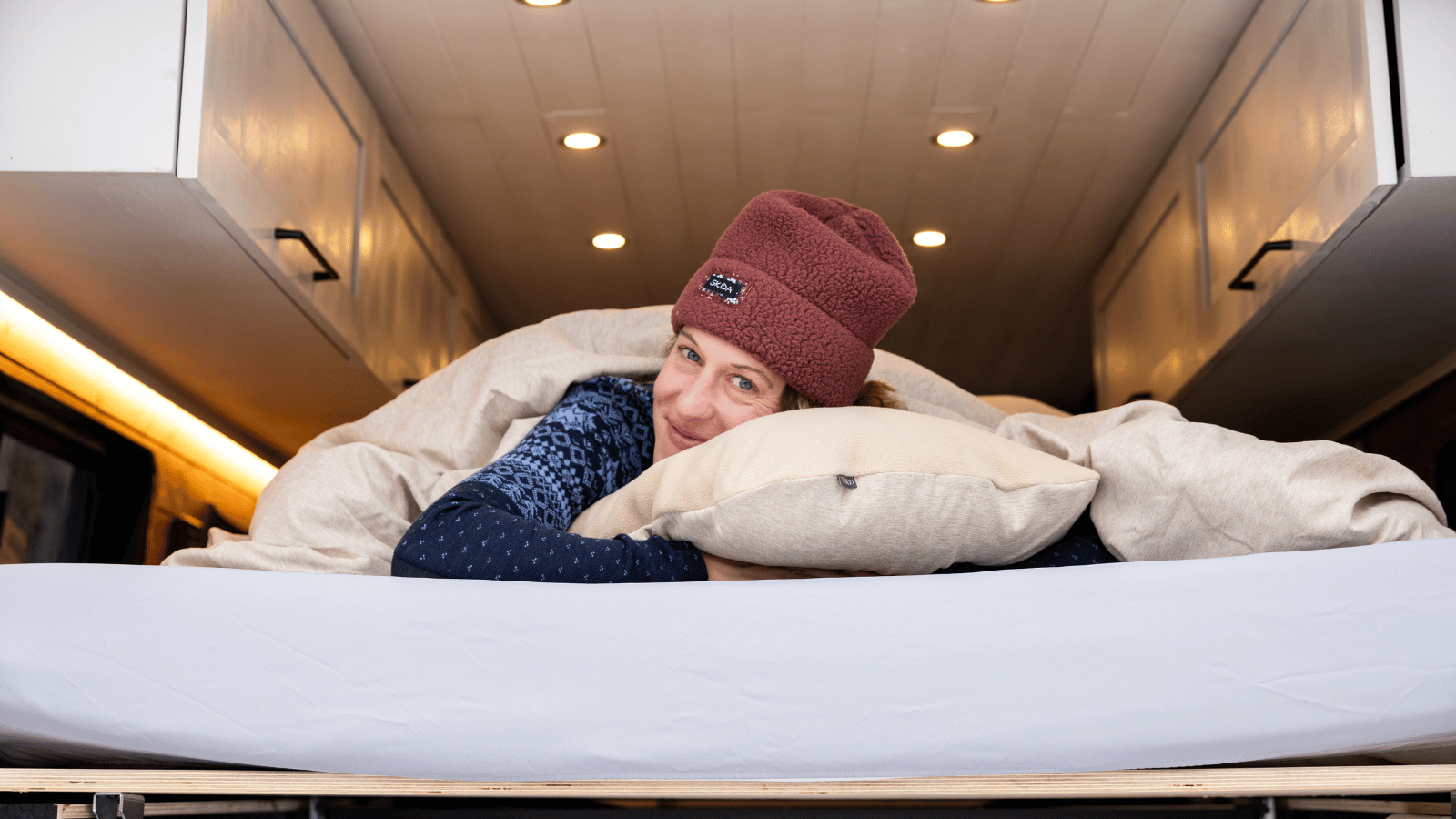
(And why most pads and air mattresses fall short)
Back pain gets worse at camp for a few common reasons:
If a pad cannot distribute weight evenly and maintain spinal alignment, your body spends the night compensating. That is when you wake up stiff, sore, or feeling worse than before you went to sleep.
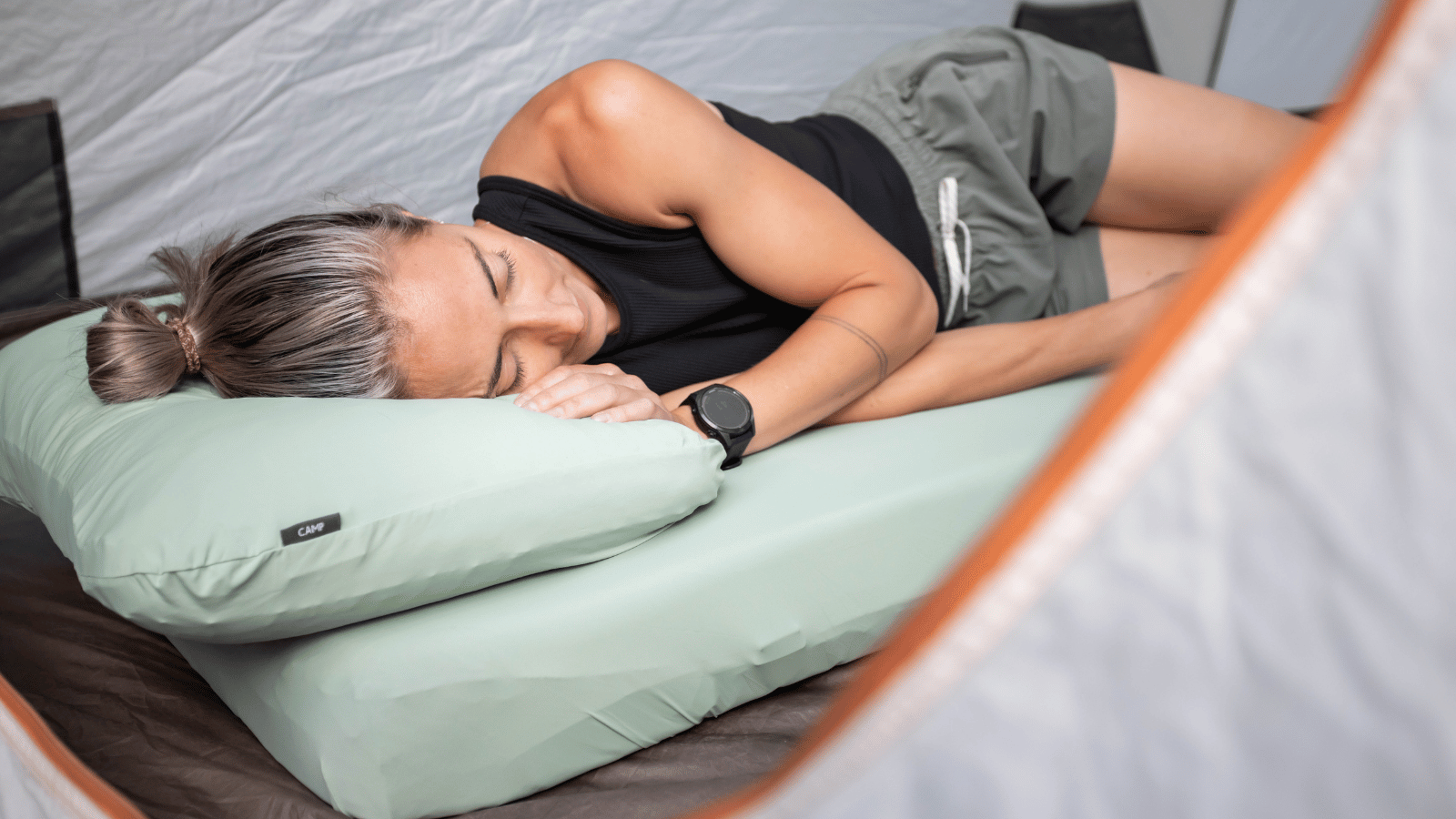
Camping sleeping pads and camping air mattresses are often lumped together, but they serve different purposes.
Sleeping pads are designed to insulate you from the ground and provide a stable sleep surface. They sit lower, take up less space, and are usually more durable.
Camping air mattresses are taller and feel more like inflatable beds. While they can feel plush at first, many lack structure. They often sag in the middle, shift when you move, and lose firmness overnight.
For back pain, a supportive sleeping pad or foam-based camping mattress usually performs better than a tall air mattress. Stability and alignment matter more than height.
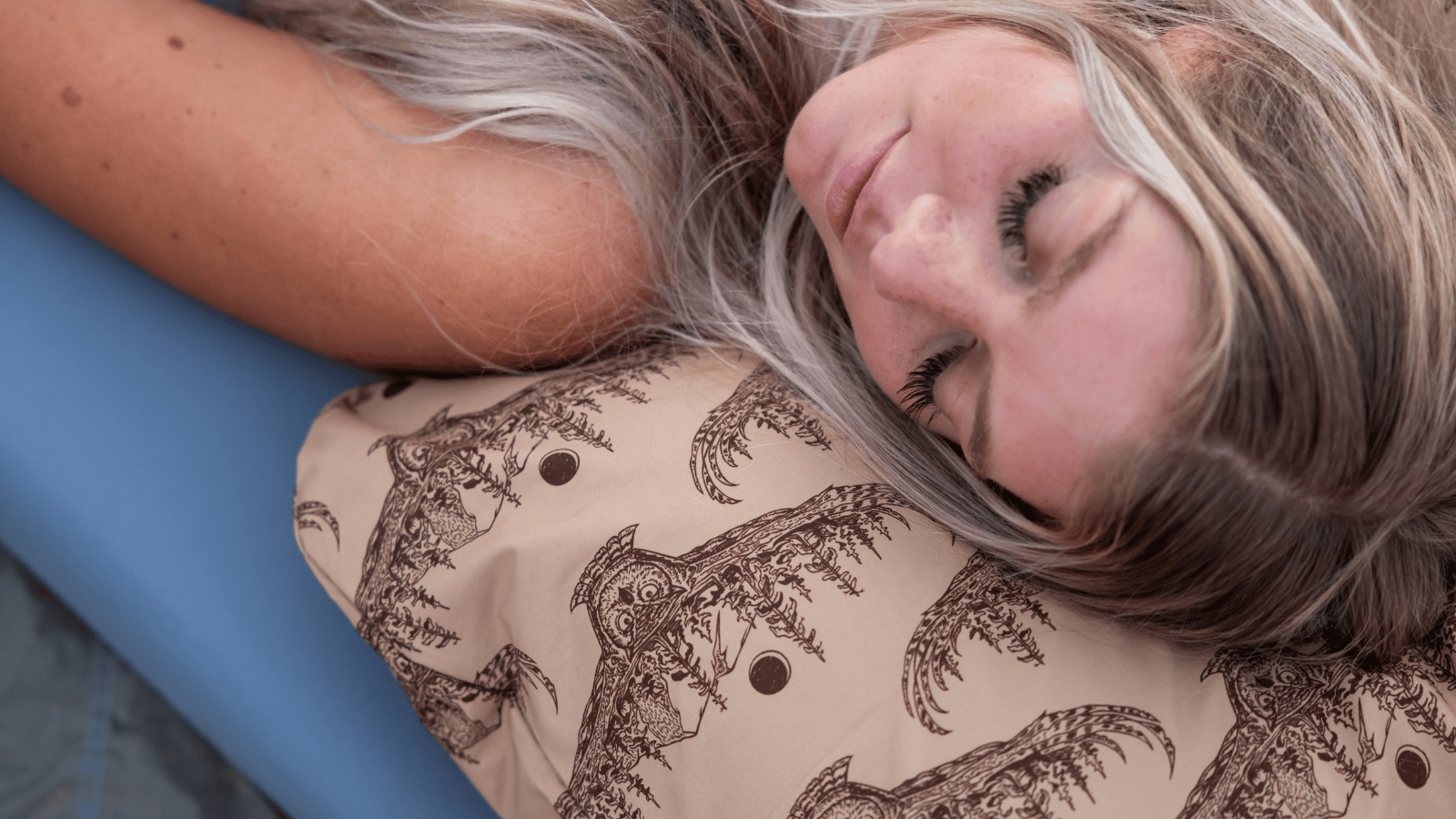
The best overall pads for back pain prioritize consistent support, pressure relief, and durability over minimal weight. These pads often use layered foam or hybrid construction to mimic the feel of a real mattress while holding up to outdoor use.
Side sleepers need extra cushioning at the shoulders and hips without letting the spine collapse. Thicker pads with high-quality foam layers or zoned support tend to work best for relieving pressure points.
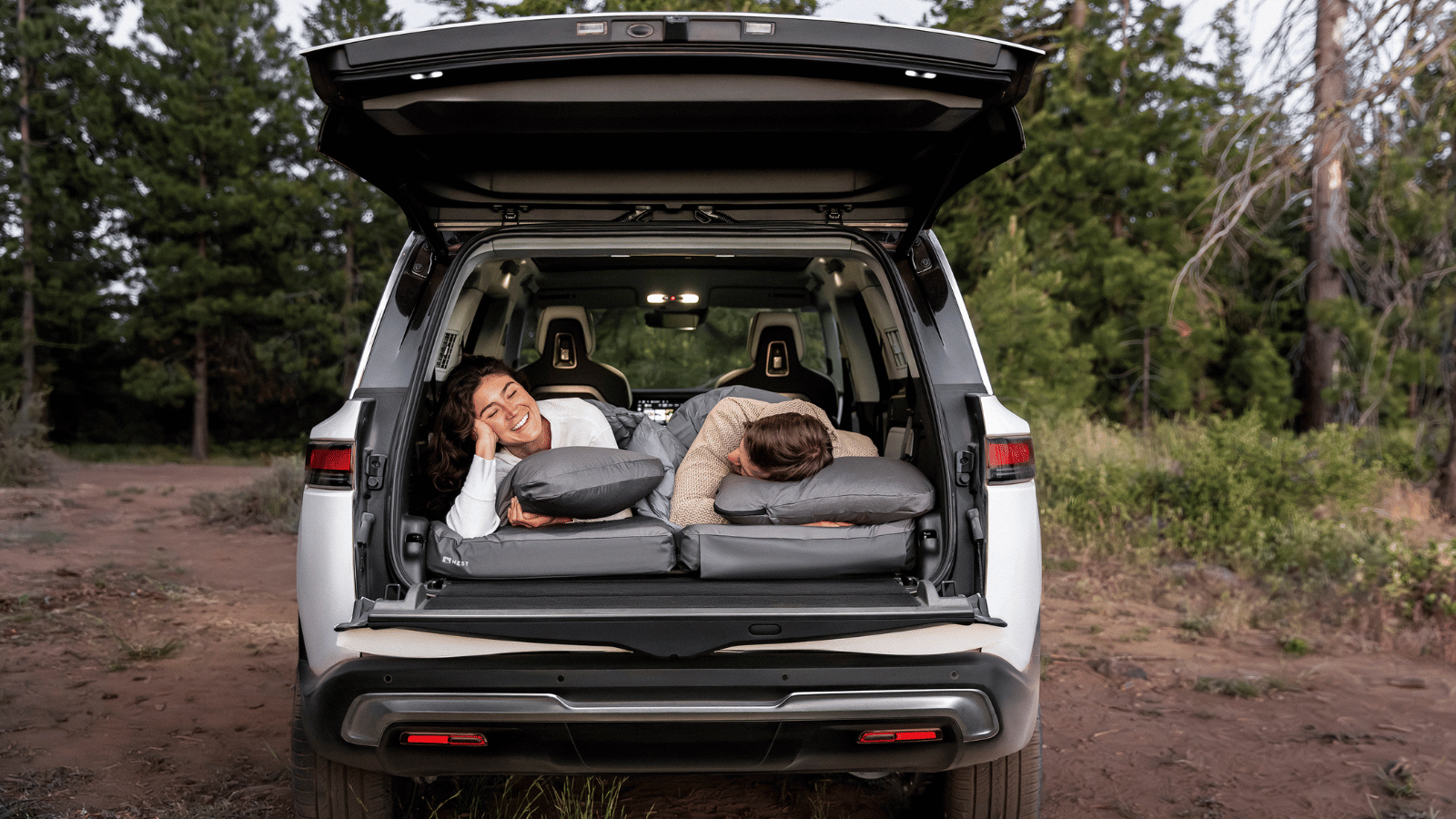
Car camping allows you to prioritize comfort over pack size. Wider, thicker pads with stable construction are ideal, especially for multi-night trips where recovery matters.
For basecamps, hunting camps, or extended trips, long-term comfort is key. Pads designed for repeated use night after night help prevent cumulative soreness and fatigue.
Crossover pads balance weight, packability, and support. While they may not match the comfort of car camping pads, the best options still provide enough structure for people with mild to moderate back pain.
Truck beds and vans benefit from flat, wide sleeping surfaces. Foam-based mattresses or folding pads work especially well here, offering consistent support without air loss or shifting.
Budget-friendly pads can still work for back pain if they provide adequate thickness and insulation. Avoid ultra-thin foam or unstable air-only designs, even at lower price points.
(Buyer’s guide)
Choosing the right pad means understanding which features actually affect comfort and support.
(Foam, air, hybrid, and mattress-style pads)
Foam pads provide the most consistent support and pressure relief. Air pads are lightweight but often unstable. Hybrid pads combine foam with a supportive base and tend to offer the best balance for back pain.
(How much warmth you actually need)
The R-value measures insulation from the ground. Cold surfaces can worsen muscle stiffness, so even summer campers benefit from a moderate R-value. For three-season use, an R-value around 3 or higher is a solid baseline.